
Why Most Painters Fail Their Series (and How a Series Actually Builds Mastery)
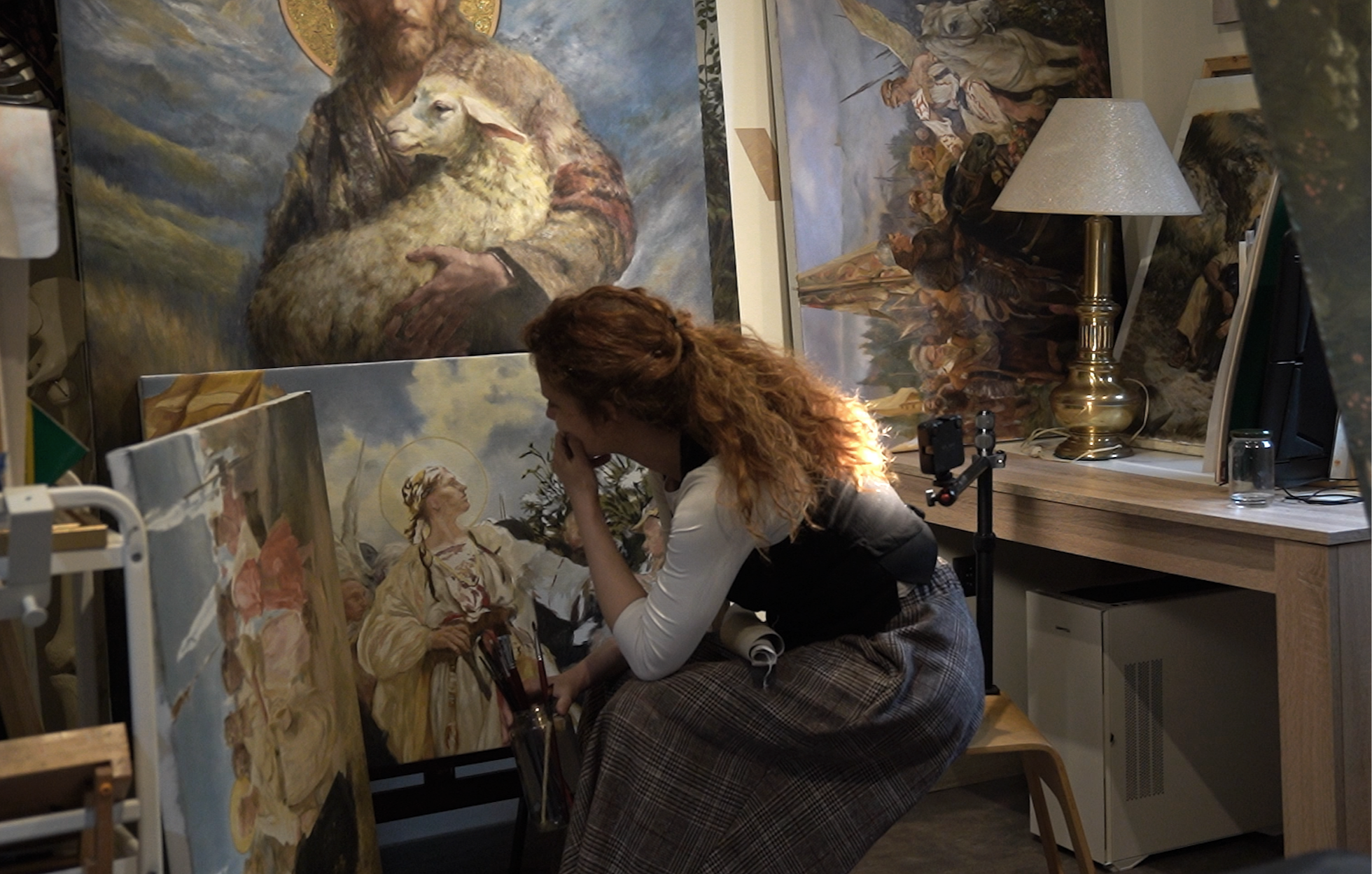
There is a moment in painting practice that quietly separates repetition from real growth.
It is not when a painting is finished.
It is not when it looks good...
It is when you realize you are no longer making isolated works, but entering a conversation with your own process.
Here’s what I learned this past April, while creating the new Video Journal and finishing three bozzetto series for Saint Helen.
A painting series is not a collection of similar images. It is a system of investigation where each work responds to the one before it. Sometimes correcting it, sometimes refining it, sometimes contradicting it entirely.
The first painting is rarely the strongest. I usually see it as an introduction. It simply establishes the language of the subject: light, structure, composition, and the initial direction of the idea.
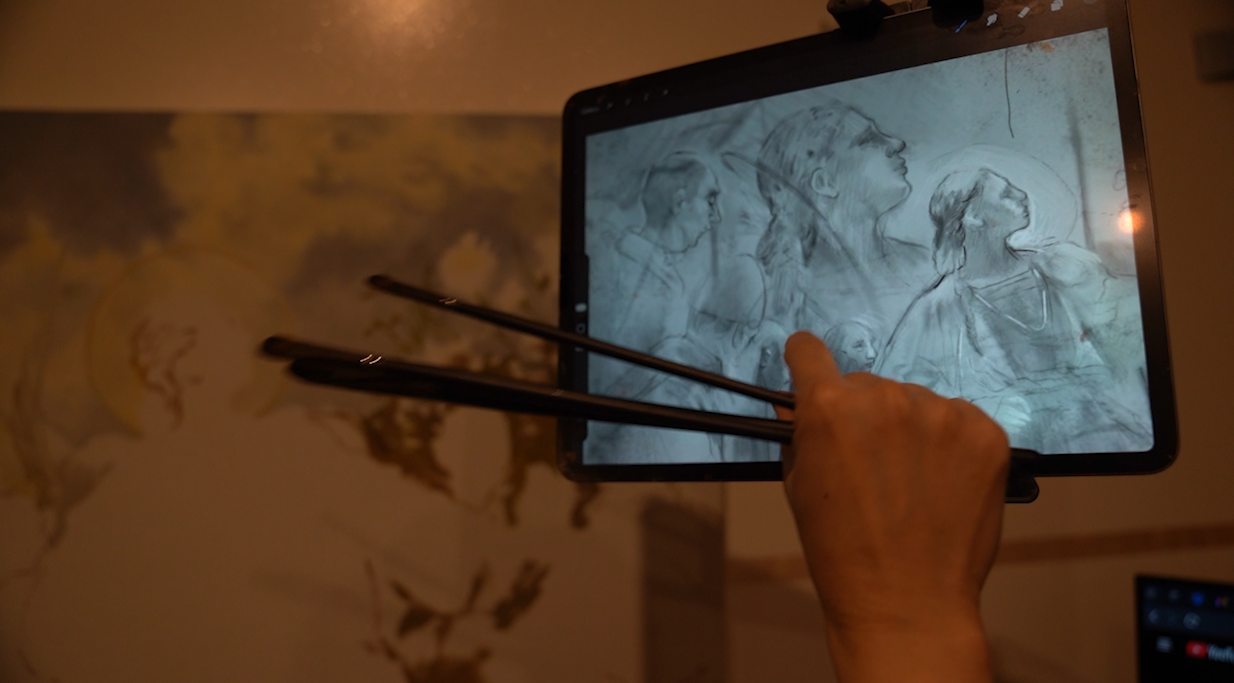
The second painting begins to test those decisions. The third often reveals what was assumed but not understood. This is usually where many artists stop, because the work starts to feel repetitive without immediate reward. But what is actually happening is quieter: your visual thinking is starting to stabilize.
Most painters don’t fail from lack of ability. They fail from constant resets, where every painting becomes a new identity instead of a continuation of thought.
There is also a misunderstanding about early success in a series. When one painting resolves too quickly, it can end the process prematurely, because attachment replaces inquiry. A strong series is not built from an early “perfect” result. It is built from staying inside uncertainty long enough for understanding to accumulate.
Some paintings will feel unresolved. Others will feel like failures. But often those are the ones that unlock the next step in the work. A series is not linear progress - it is layered understanding over time.
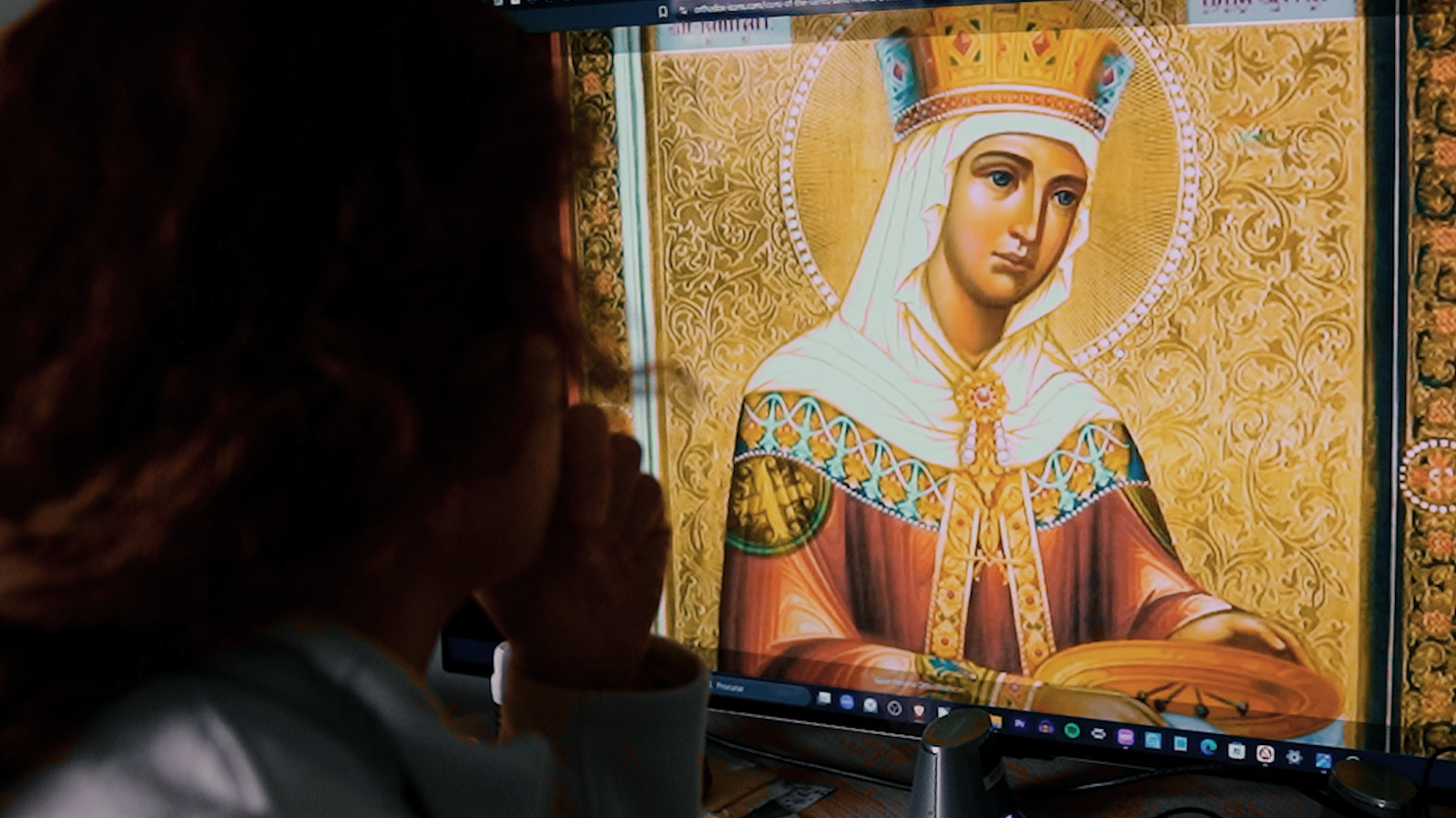
Eventually, something shifts. You stop judging paintings individually and start reading them relationally. What changes between painting one and painting four becomes more important than any single result. This is where technical development accelerates, because repetition stops being repetition and becomes controlled variation.
But this process is not smooth! There are moments of fatigue (too many to count…), where everything feels repetitive and motivation drops. This is not failure. It is saturation. The work is asking for adjustment, not abandonment - a change in scale, a change of pace, a change of environment, a walk in nature, then return with a different perception.
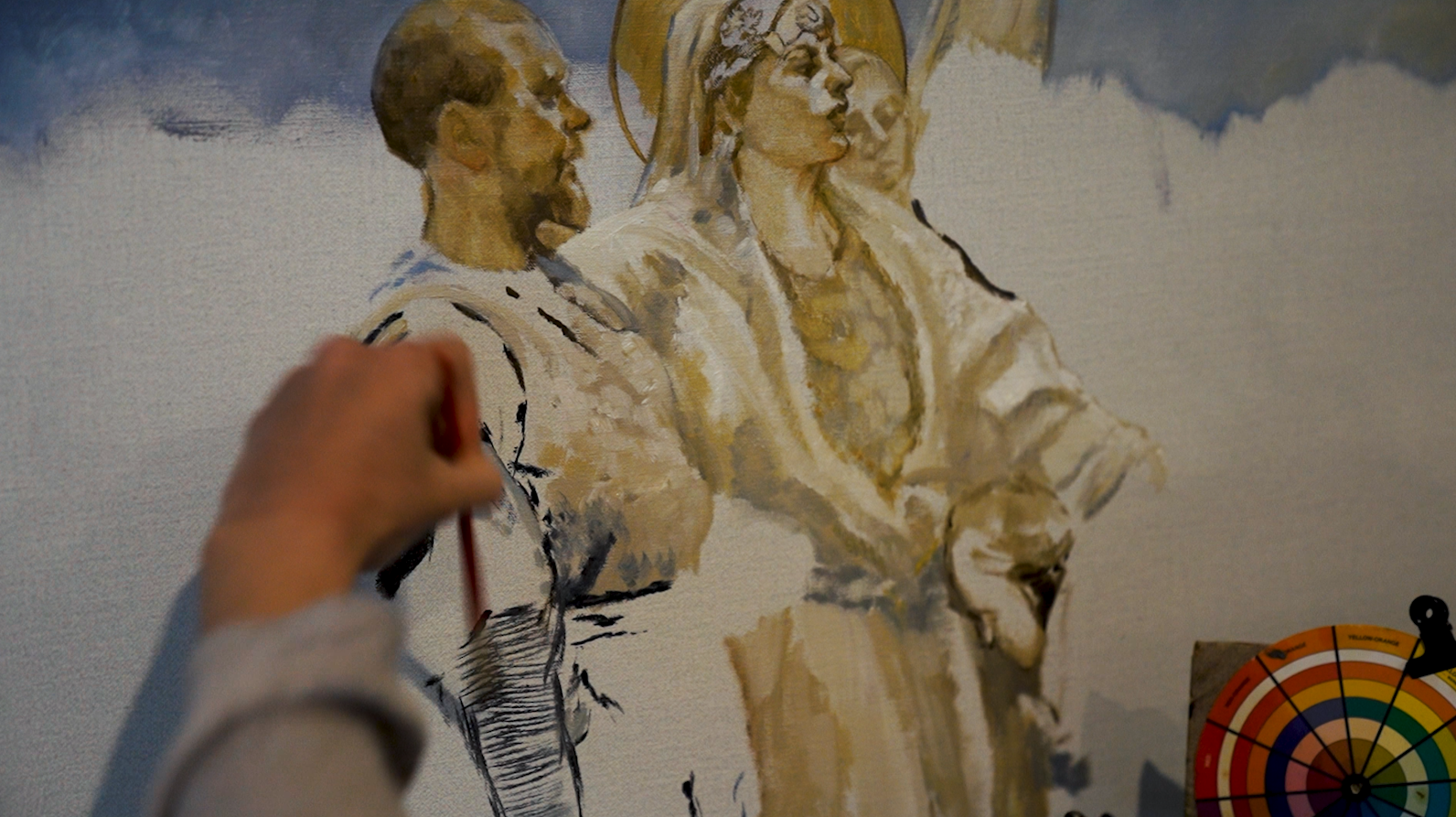
The series continues even when you are not painting. And sometimes, a later work reveals what the entire body of work was actually about - not the initial idea, but the real one, the intention that only becomes visible after unnecessary decisions have been stripped away.
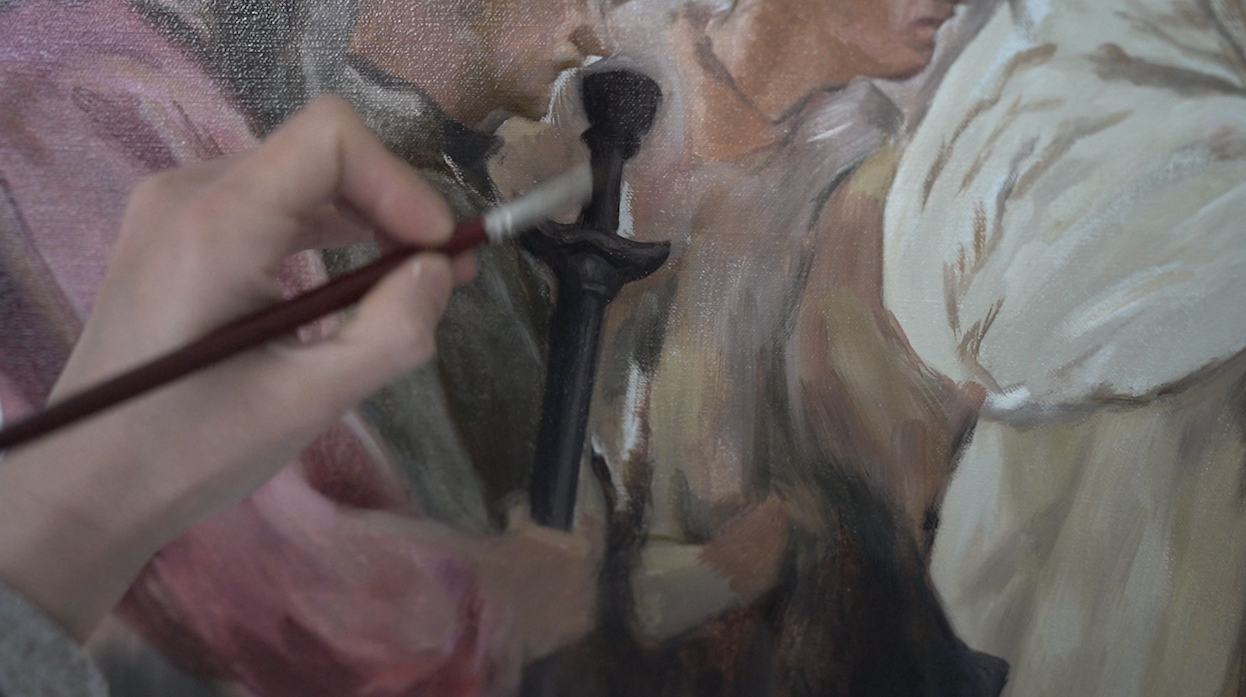
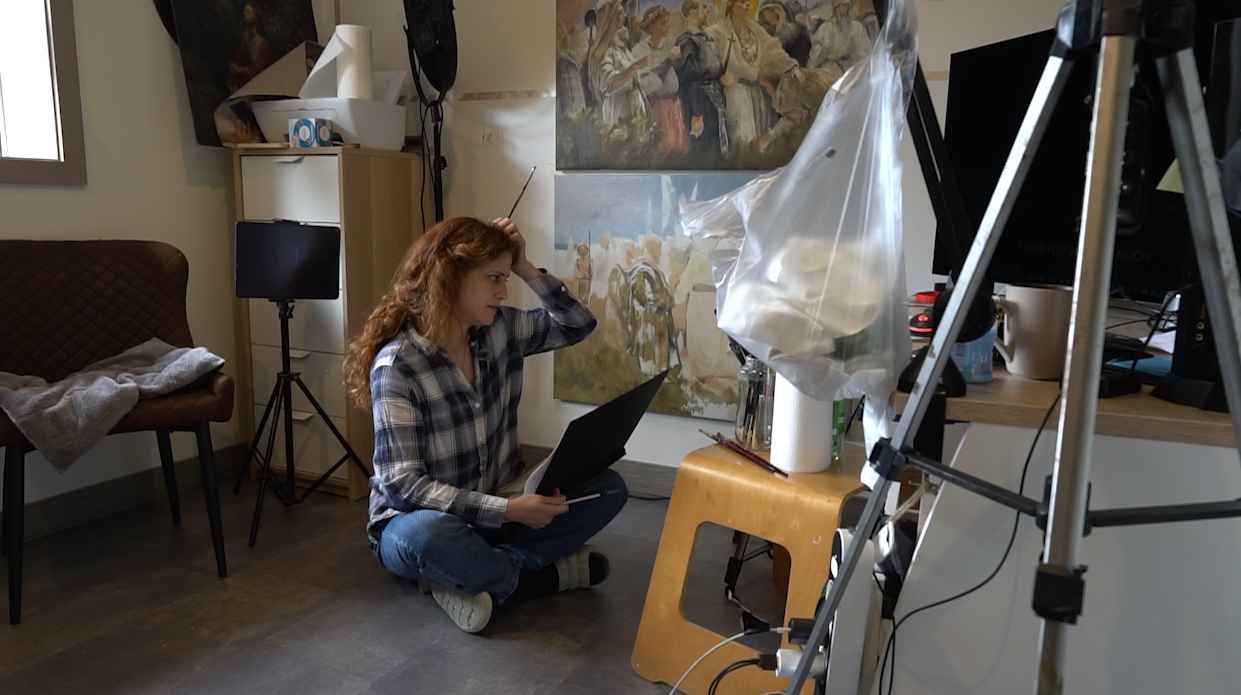
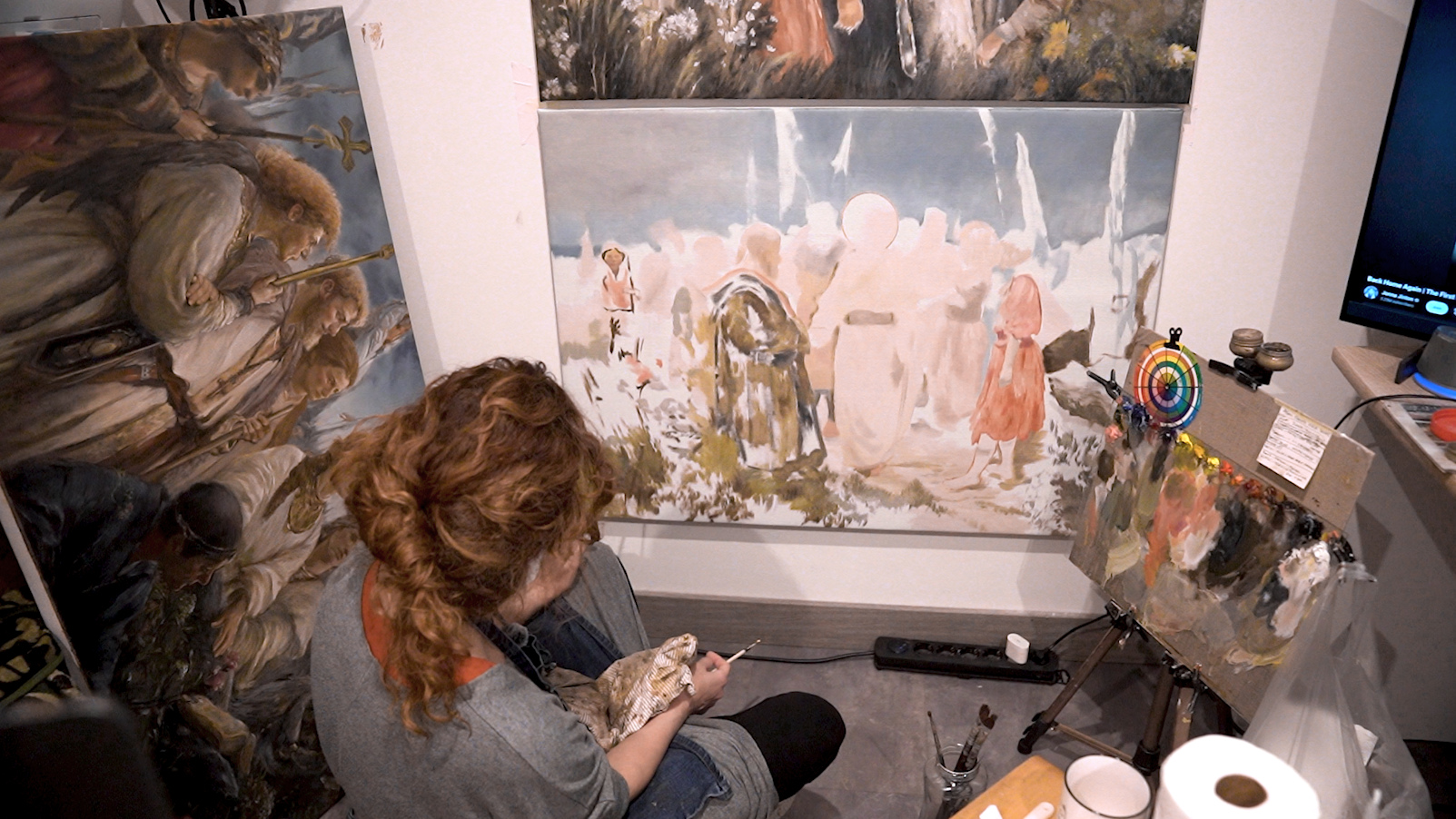
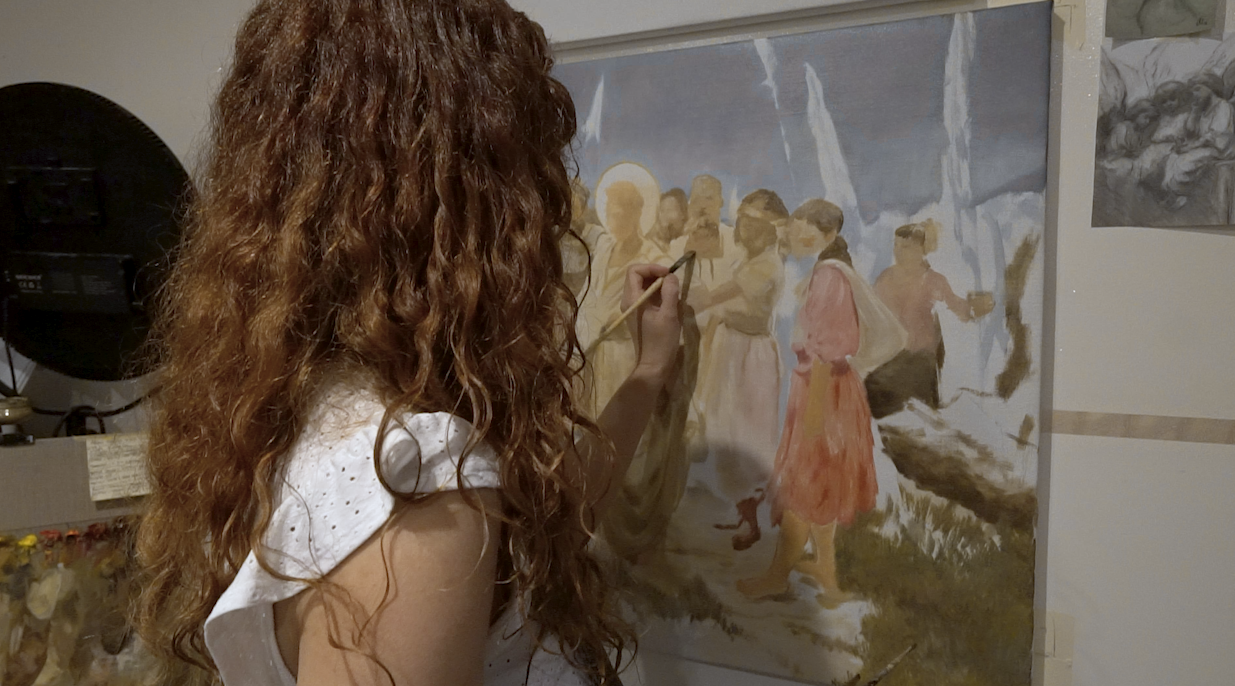
This is why series work often defines a painter’s development more than individual “masterpieces.” It builds identity through evolution rather than isolated results, and it makes both thinking and technical growth visible over time. An artist should not be afraid of that level of raw exposure; it is often where the work becomes most honest and most alive.
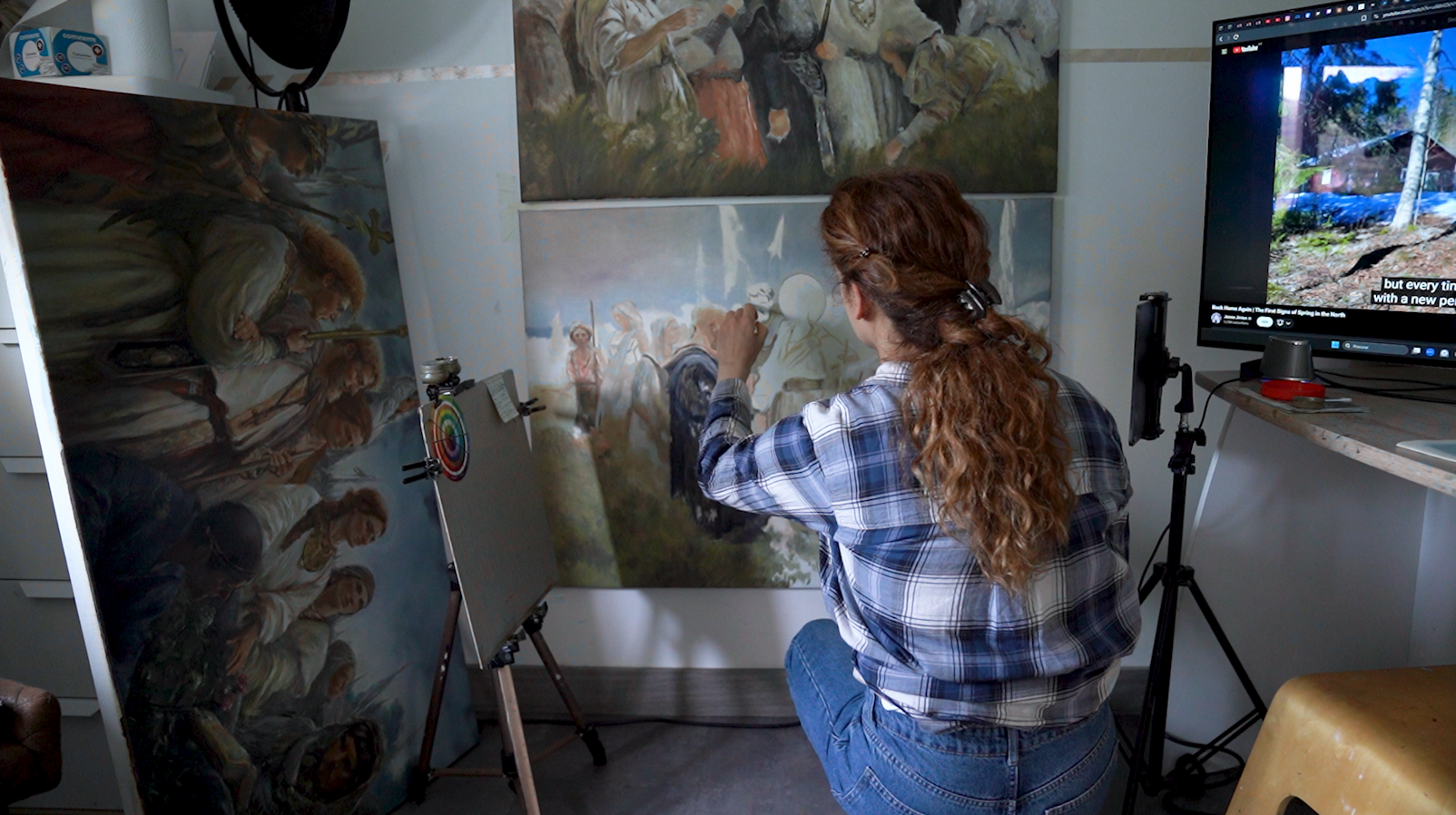
And in the end, it creates something most artists underestimate: momentum. A series is not something you wait to be ready for. It is what makes you ready.
I will post this Video Journal next week of May - so Subscribe and Follow to see this month´s Saint Helen painting Video Journal at:
Thank you to everyone who follows, supports, donates, commissions work, and takes part in this process. Your support makes it possible for me to continue creating and sharing my work, my process, and my world from the mountains of northern Portugal.
See you soon, in the next chapter 🤍
Eliana Lemos
